
The Heart Herb My Clients Can't Live Without
This post may contain affiliate links.
Click here to read my affiliate policy.
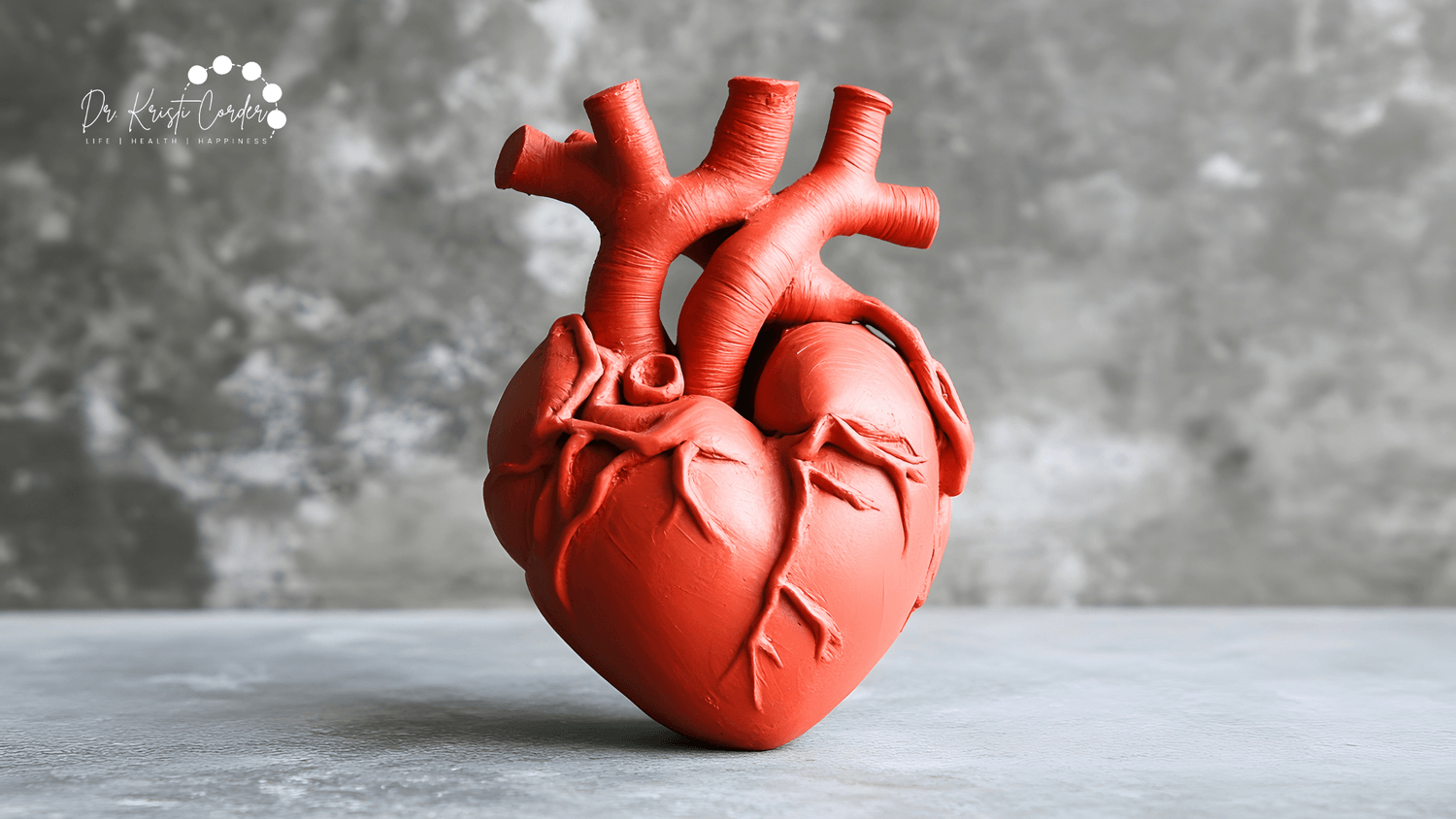
February tends to focus on the heart in the most surface-level ways. Cards, candy, romance. But the real heart is quieter and far more devoted. It keeps rhythm through long-term stress, emotional strain, grief, and exhaustion, responding to life just as much as to physical demand. This February, I want to slow down and focus on what truly supports the heart, not symbolically, but in a way the body can feel.
One of the remedies that comes up again and again in my practice is Crataegus oxyacantha. It isn’t flashy or forceful, yet for many it becomes non-negotiable, offering steady, nourishing support over time. It has a long history of use as a source of heart nourishment and tone, earning it the nickname the "heart herb." It supports the heart's strength and resilience, especially when life has asked a lot for a very long time.
What makes Crataegus truly remarkable is how it bridges physical and emotional heart health. It is often indicated when the heart has been under strain for years, whether from chronic stress, long-term responsibility, emotional shock, or grief that has never fully had space to resolve. In these cases, the heart does not need to be forced or corrected. It needs support that feels steady, reliable, and safe. In practice, many people notice a quiet sense of steadiness, a calmer chest, or simply that their heart feels more supported through the ups and downs of daily life.
Crataegus often resonates most strongly with people whose hearts have been carrying more than their share. These are not always people in crisis. Many appear outwardly capable and continue showing up for others even when life has been demanding. Behind this strength, however, there is often a history of emotional strain. This can show up as emotional guarding, deep weariness, or a sense that the heart is working harder than it should.
There are also clear physical reasons to consider Crataegus. It can calm tightness in the chest, reduce fatigue with exertion, and support the heart when its rhythm feels unsettled or strained. I have used it often for clients experiencing irregular rhythms, palpitations, and sensations of heart pain. Crataegus is also known for its relationship with the blood vessels. By supporting the collagen structure of the arteries, it promotes elasticity and resilience in the cardiovascular system, which can help support healthy blood pressure. As noted by renowned naturopath Dr. Robin Murphy, Crataegus has also been described as having the ability to dissolve calcium deposits in cases of arteriosclerosis.
I have even seen this remedy have a profound effect in unexpected situations. Let me tell you a story about Pat.
Pat is a client of mine who was born with a congenital heart defect that caused one of her heart valves to leak. This leak also led to the development of atrial fibrillation. She was completely exhausted all the time.
She had corrective surgery in 2006 to band the valve and was told that it wouldn't be a permanent fix. Another surgery was likely going to be in her future.
Despite the surgery and the daily medications that were prescribed, the leak continued to grow over the years. As a matter of fact, just 2 years ago she was told that the leak was at a 3.5 out of 5 and surgery would be on the horizon when it reached a level 4. While she has not developed atrial fibrillation again, she did start experiencing some irregular heart rhythms. Along with this she was feeling quite exhausted, she was retaining fluids, and she was beginning to feel exactly how she felt before her surgery in 2006.
When she started working with me, Crataegus tincture was one of the first things I had her start using. This along with other indicated remedies has taken her valve leak from a 3.5 to a 2.5/3 as determined by her cardiac sonograms. Her rhythms have also stabilized and fluid retention is at a minimum. While healing is far from done and is slow, verifiable progress is being made that wasn't being made with the traditional medical approach.
Crataegus is a deeply supportive heart remedy, but it is not one-size-fits-all. Every heart carries a unique history of physical strain, emotional stress, and lifestyle demands. This is why individualized guidance matters. When used thoughtfully, Crataegus can provide steady, long-term support for the heart.
If you are curious whether Crataegus could support your heart or your family’s heart, I offer personalized guidance to help find the remedies that fit your unique needs. Together, we can nurture your heart with care that lasts well beyond a single season.

Hi! I'm Dr. Kristi!
I’m a wife, mom, and alternative health care practitioner. I like to live a little differently and go against the grain.
I consult with people of all ages who are looking to ditch the drugs for alternative methods of healing. But I’m most passionate about teaching parents how to care for their kids illnesses at home using homeopathy and other alternative health care practices such as nutrition, natural remedies, minimalist ideas, and more. I’m completely obsessed with ice cream, waterfalls, and all things travel related.

Disclaimer: The entire contents of this website are based upon my own opinions unless otherwise noted. I am not a medical doctor and the information on this website is not intended to be a substitute for professional medical advice, diagnosis, or treatment. It is intended as a sharing of knowledge and information from my research and experience. I encourage you to make your own health care decisions based upon your research and in partnership with a qualified health care professional. If you are pregnant, nursing, taking medication, or have a medical condition, consult your health care professional before using products based on this content.
The information on this website has not been evaluated by the FDA and is not intended to diagnose, treat, cure or prevent any disease.
By using this website, you agree to abide by this disclaimer as well as the Terms of Service, Disclosure Policy, and Privacy Policy.
Copyright 2023 | Dr. Kristi Corder | All Rights Reserved


